Step 01
How sleep works
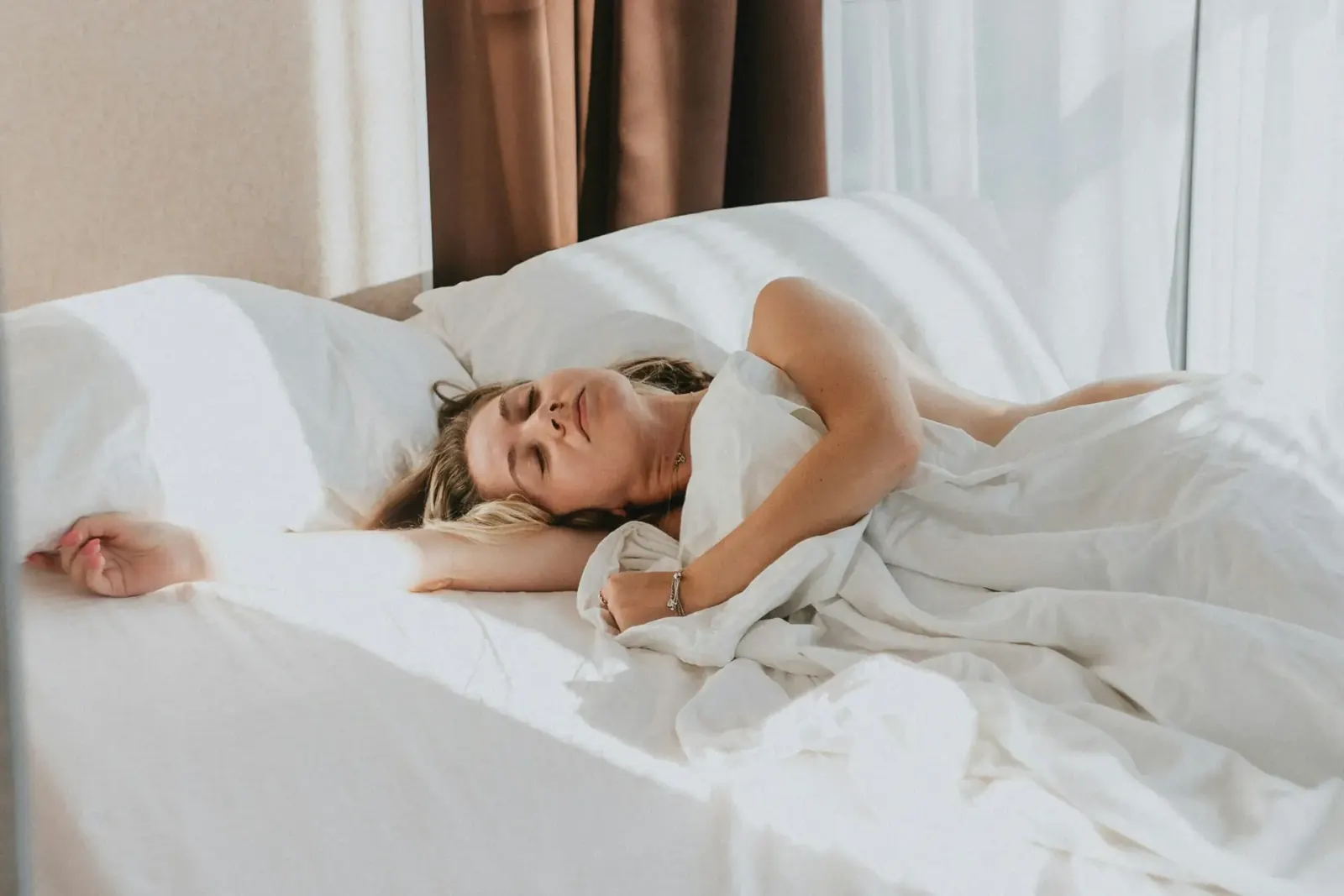
Sleep runs in cycles of roughly 90 minutes. Each cycle has distinct phases, and physical and mental recovery depend on them.
Interrupt a phase, even without fully waking the guest, and it shows the next morning.
Sleep can be measured. It has known causes and consequences you can read in your reviews.
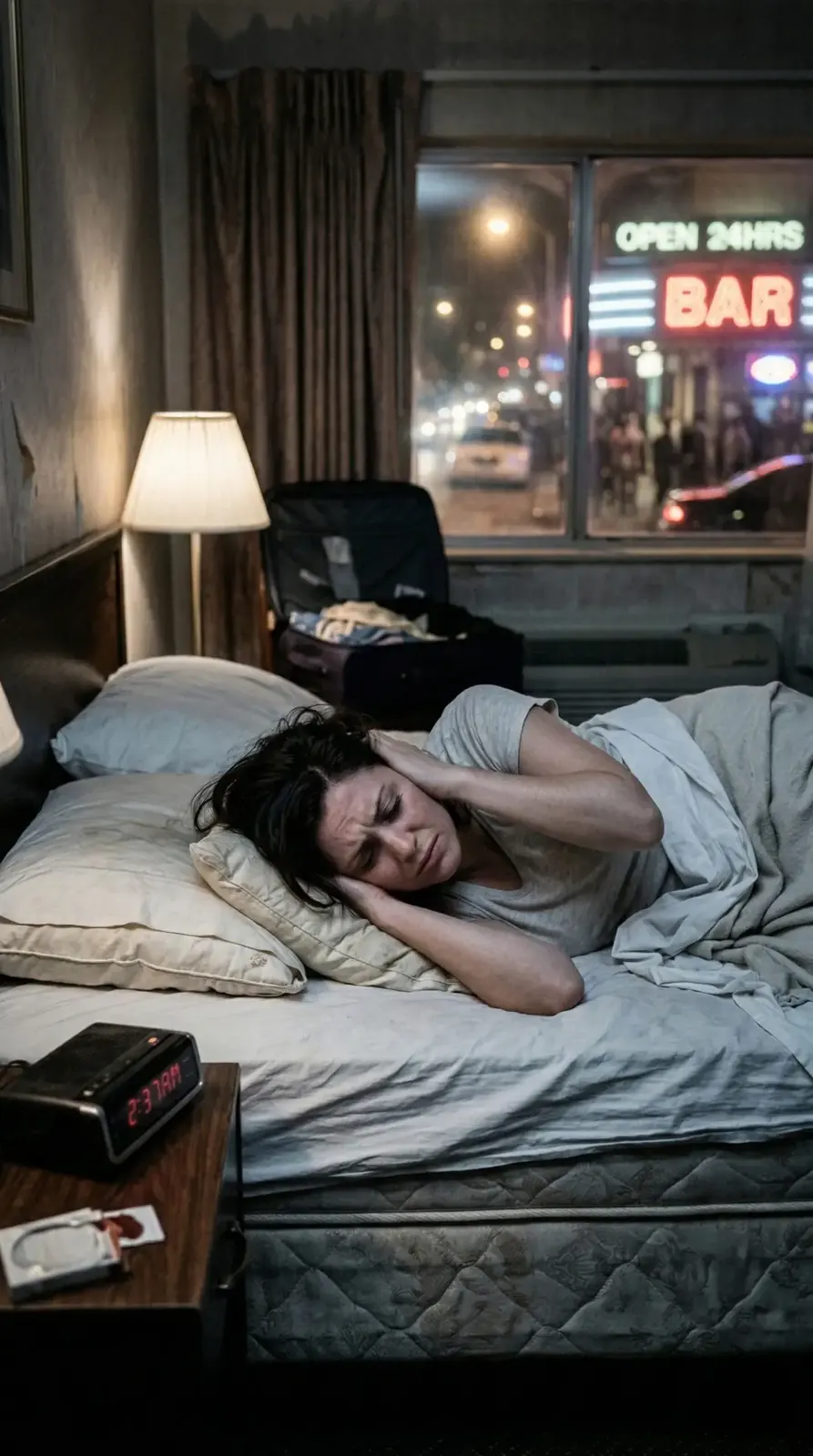
A guest who slept poorly doesn't blame the room. They blame the hotel. The review reflects the feeling, not the cause.
The science of sleep is not new. What's new is applying it systematically to hospitality: knowing which room variables interrupt sleep and how much they weigh on how guests feel.
Noise, light and temperature are the three variables that weigh most in a hotel room. All three are identifiable. All three are fixable.
Sleep runs in cycles of roughly 90 minutes. Each cycle has distinct phases, and physical and mental recovery depend on them.
Interrupt a phase, even without fully waking the guest, and it shows the next morning.
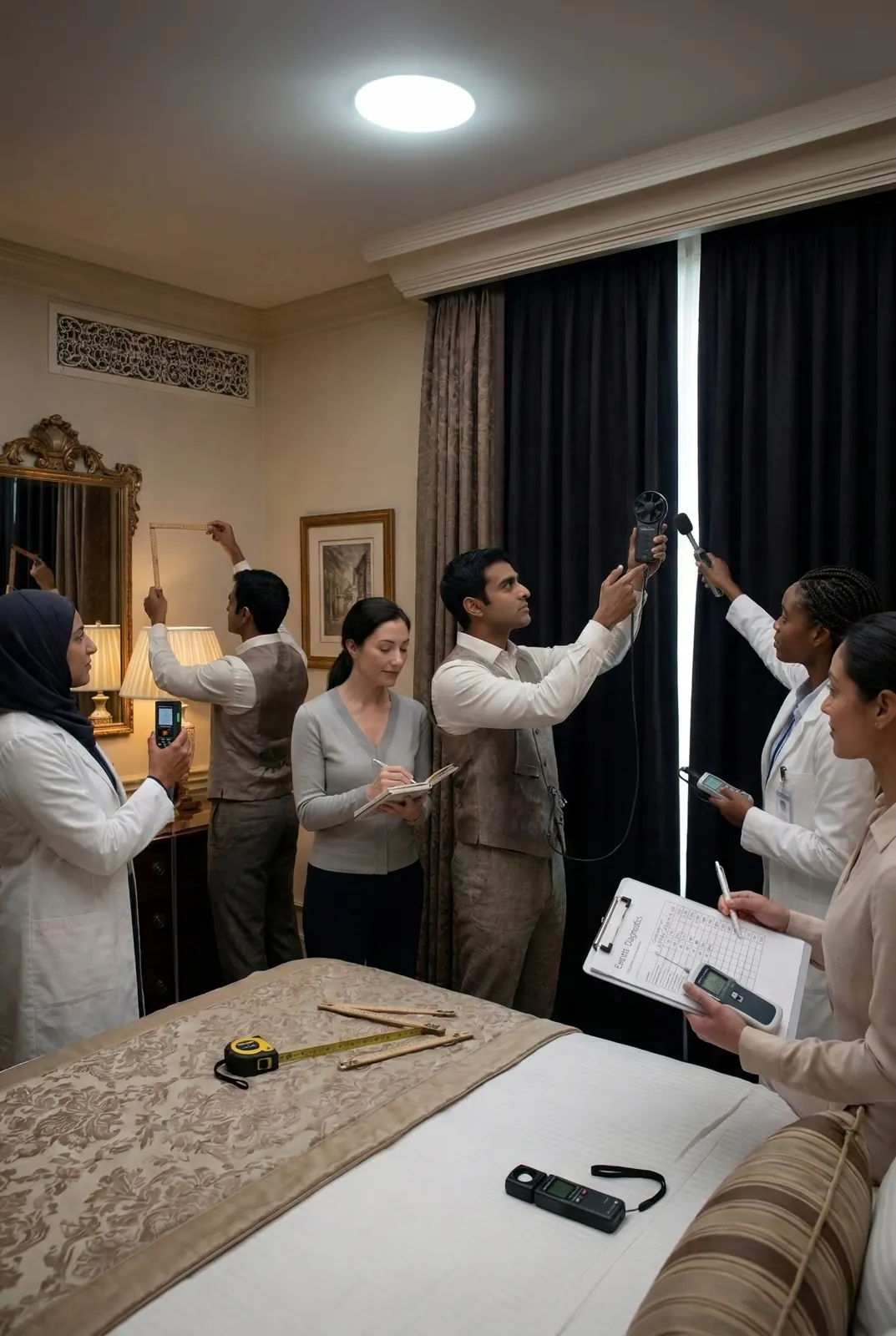
Noise through walls, doors and HVAC. A single light that can't be switched off. A room whose temperature drifts during the night.
Micro-arousals the guest won't remember. All that's left is the fatigue.
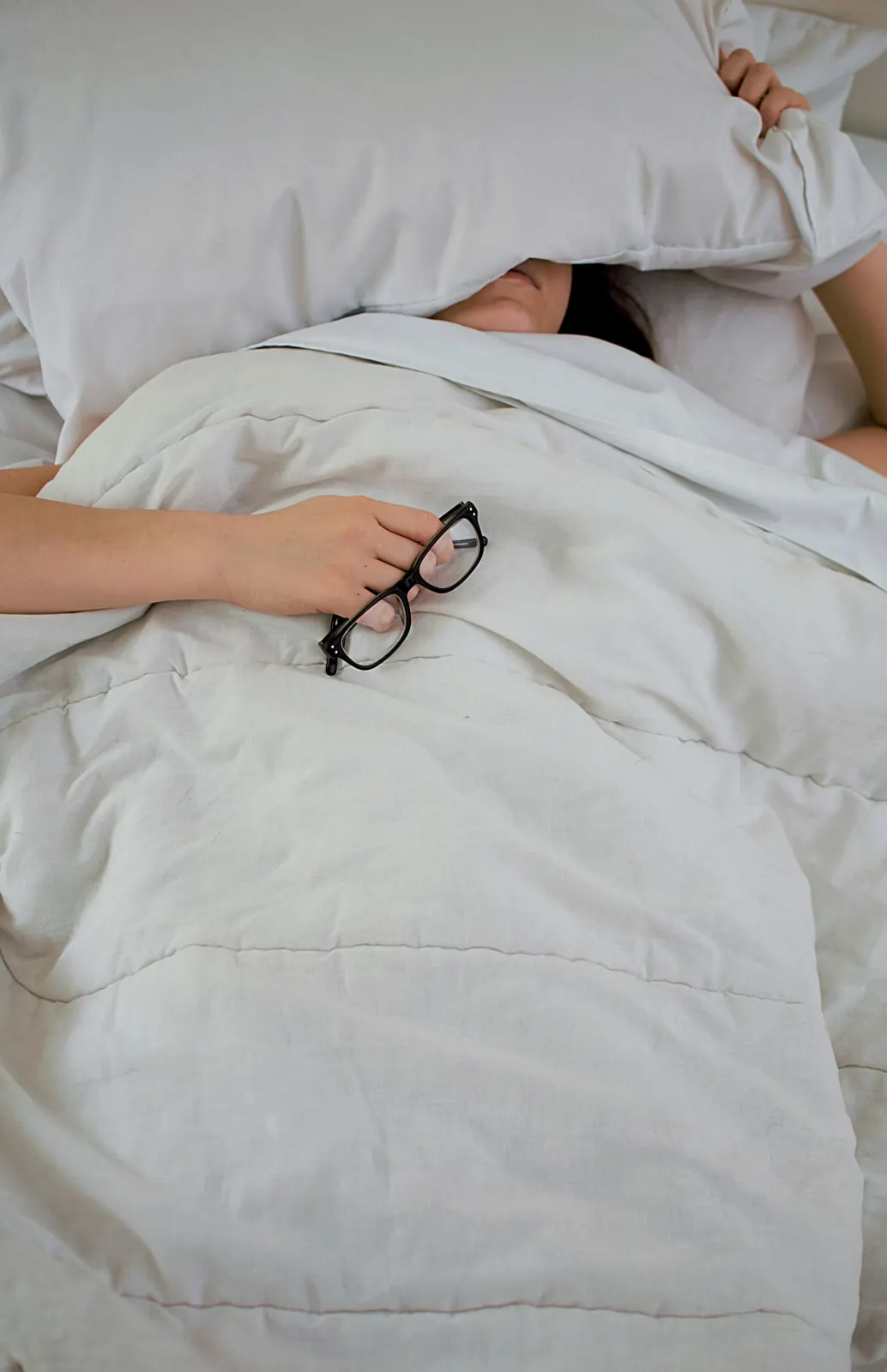
Guests don't connect the fatigue to the room; they connect it to the hotel, and that's what they write.
Sleep is a hotel's core product, and almost no one measures it.
Start with the study. We'll tell you what you're doing right, what you're getting wrong and how to fix it.
Book your study ↗